Our Family Sukkah, and a Little About Sukkot
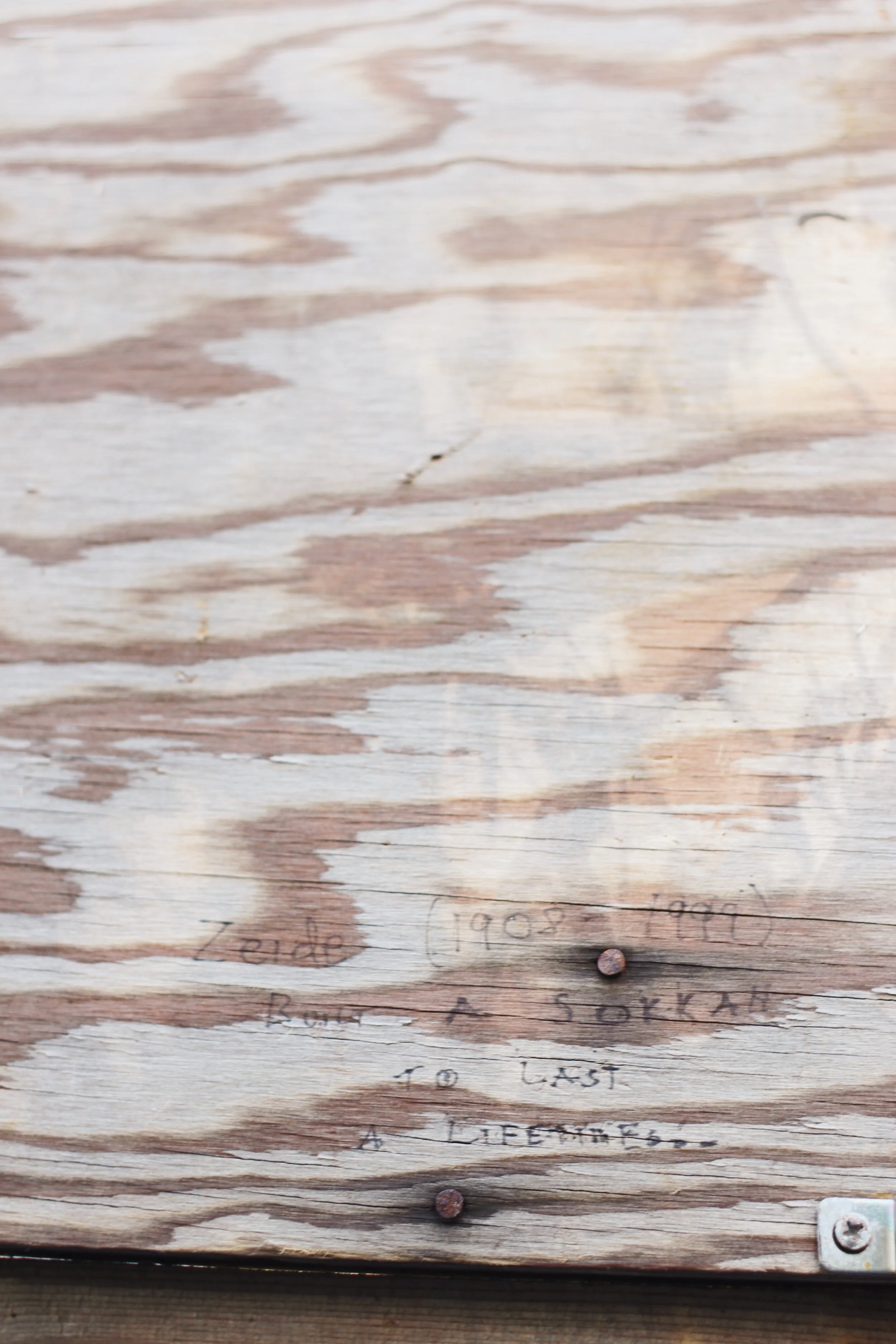
The year my Zeida passed away, my then-fourteen-year-old brother climbed a step stool, pulled out a pencil, and wrote the following words across the doorframe of our family’s sukkah:
“Zeida (1908–1999)
Built a sukkah
to last a lifetime.”
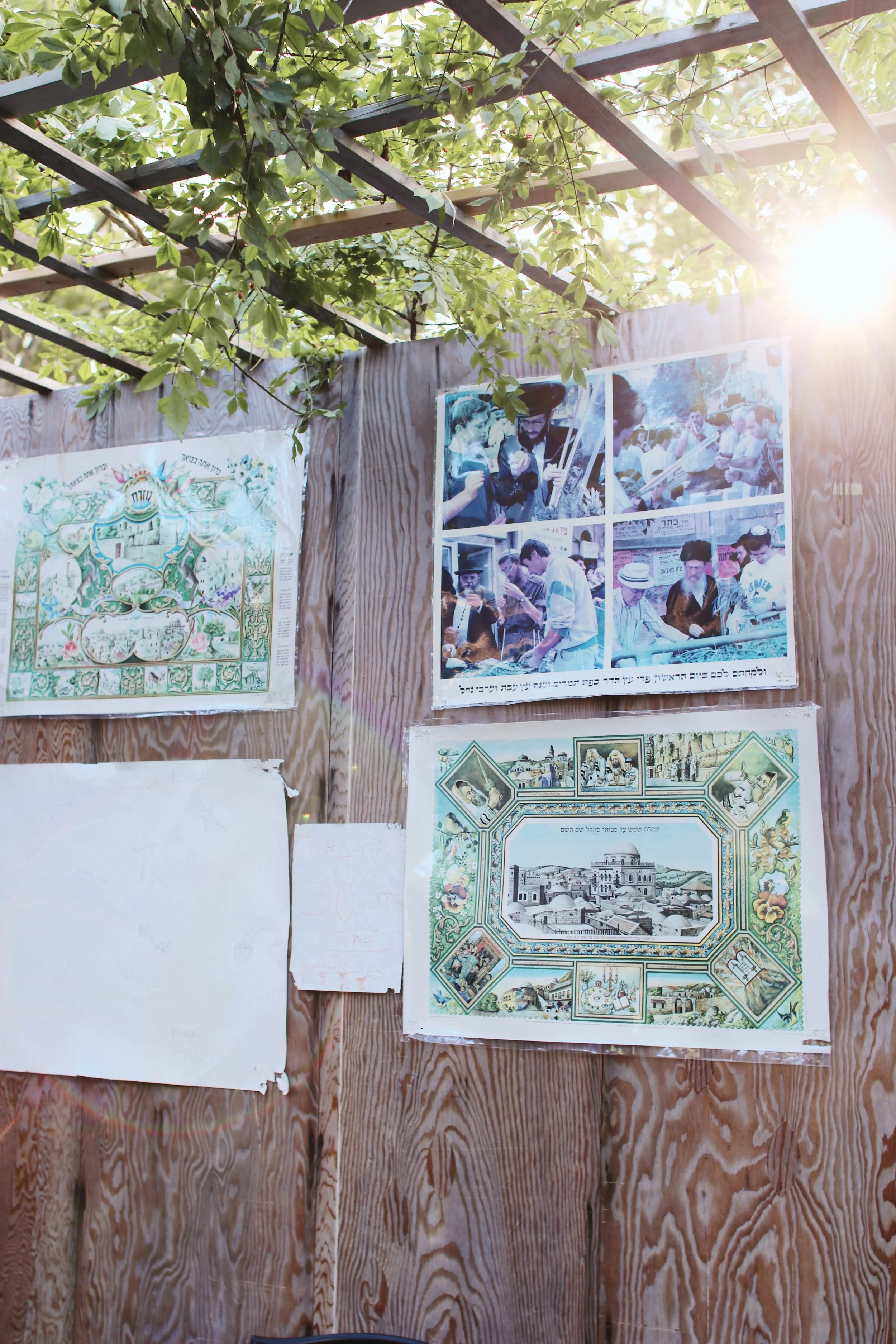
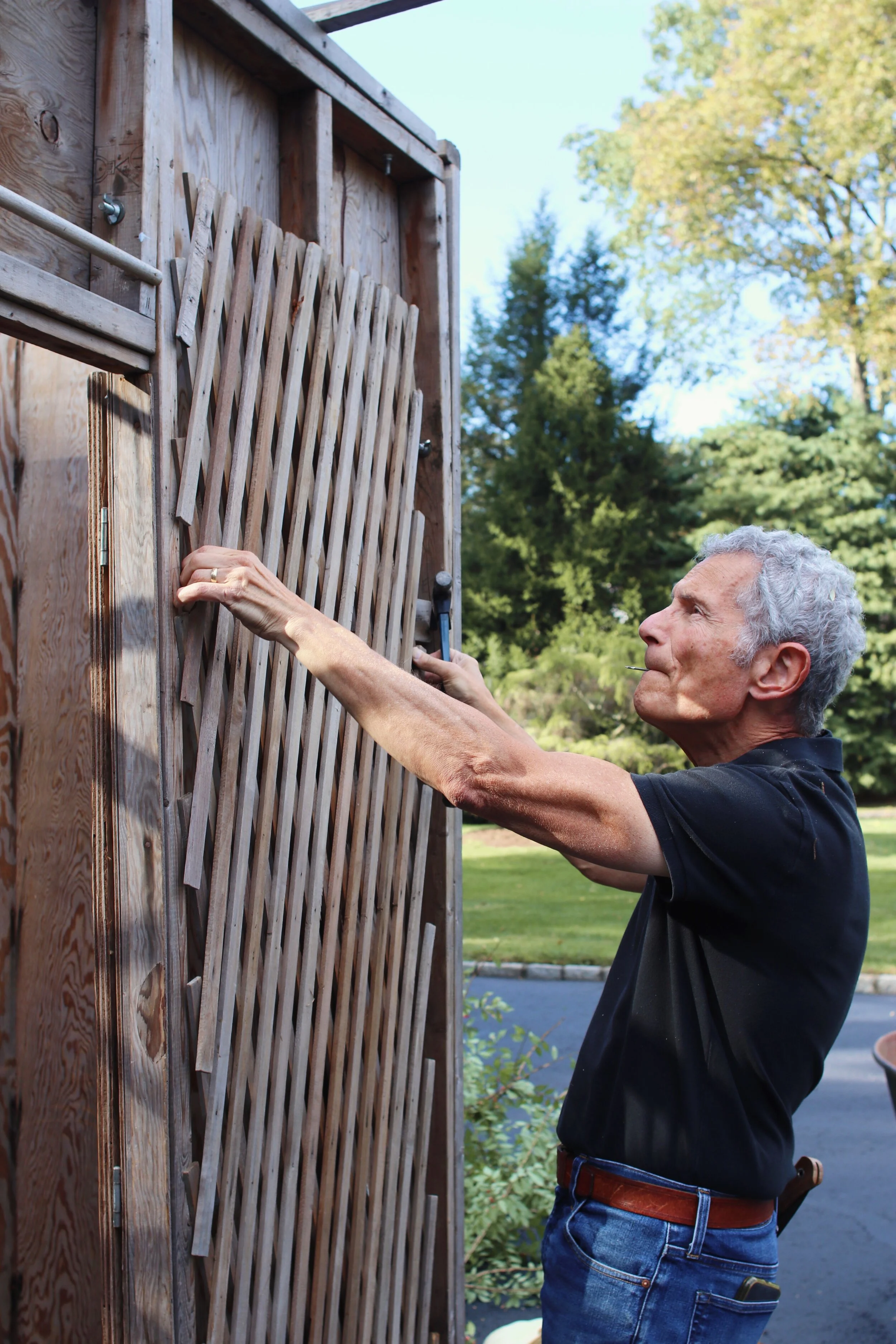
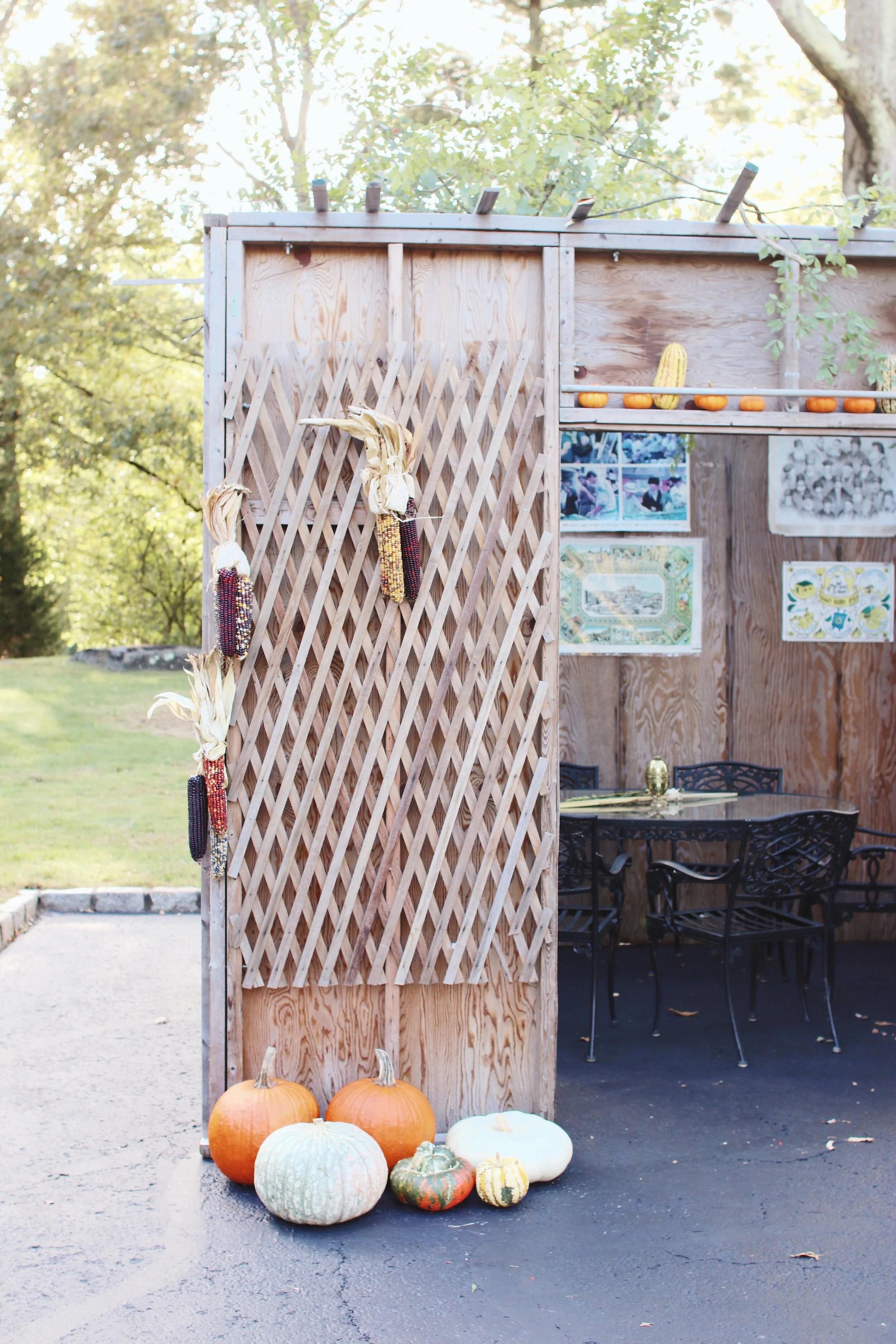
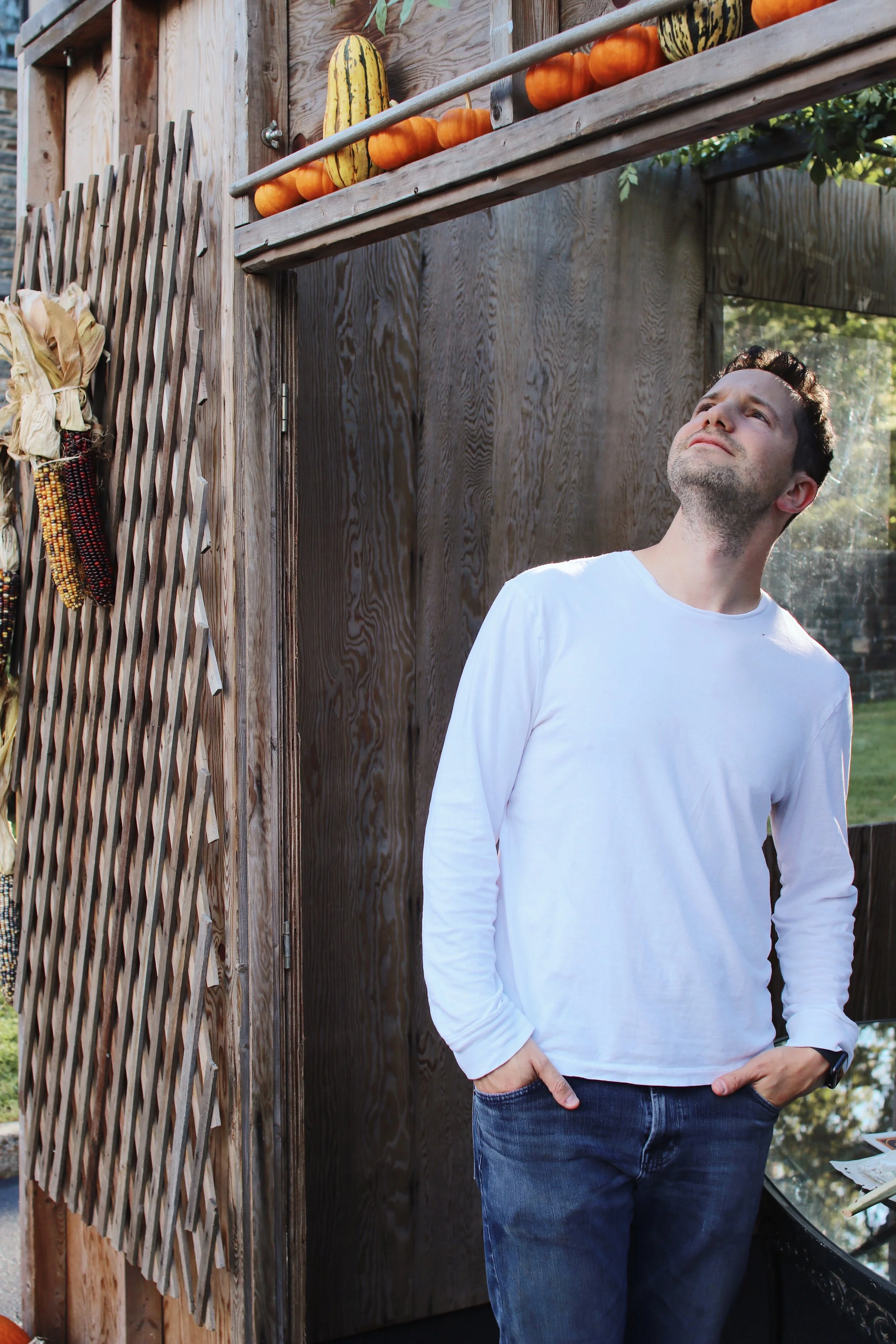
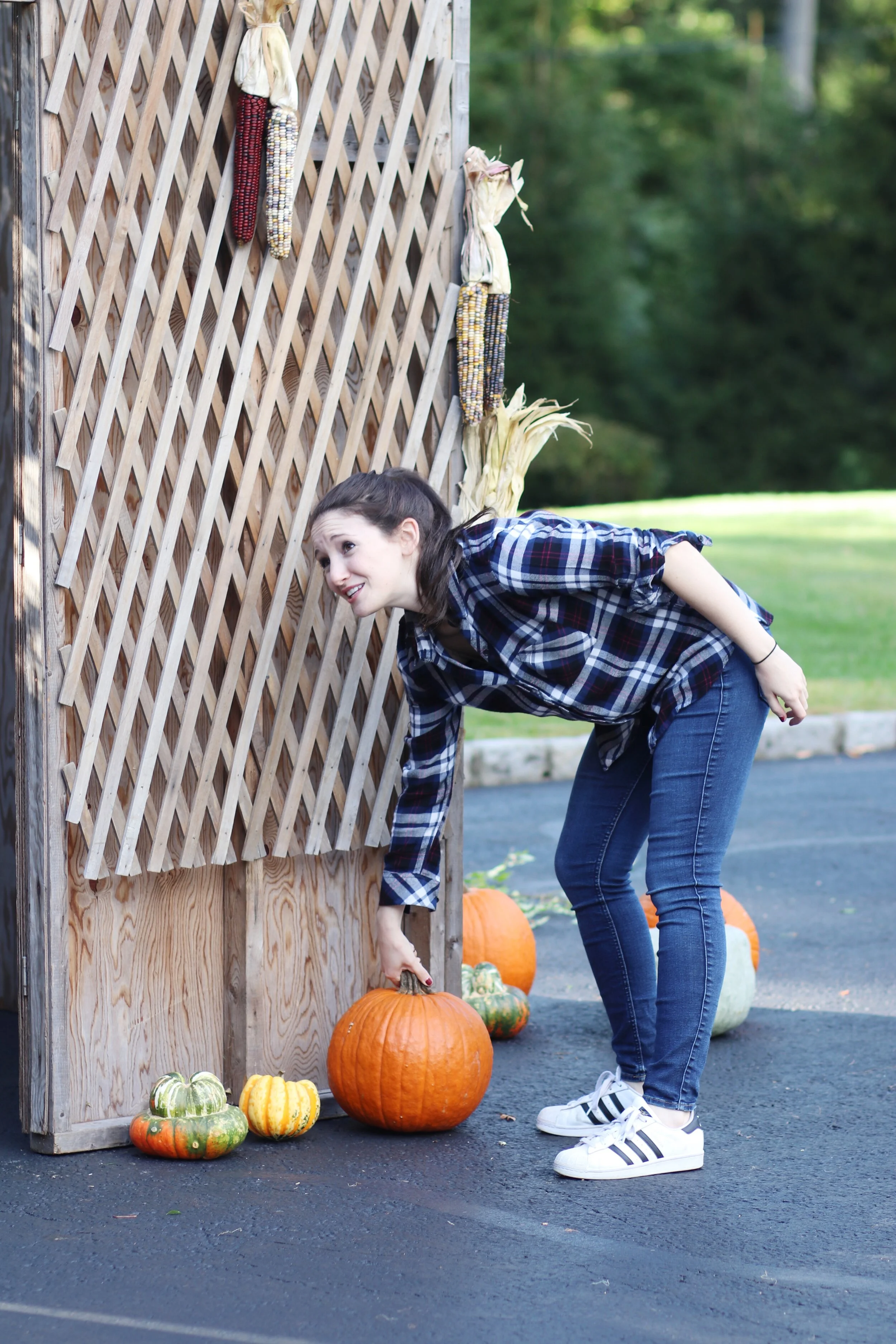
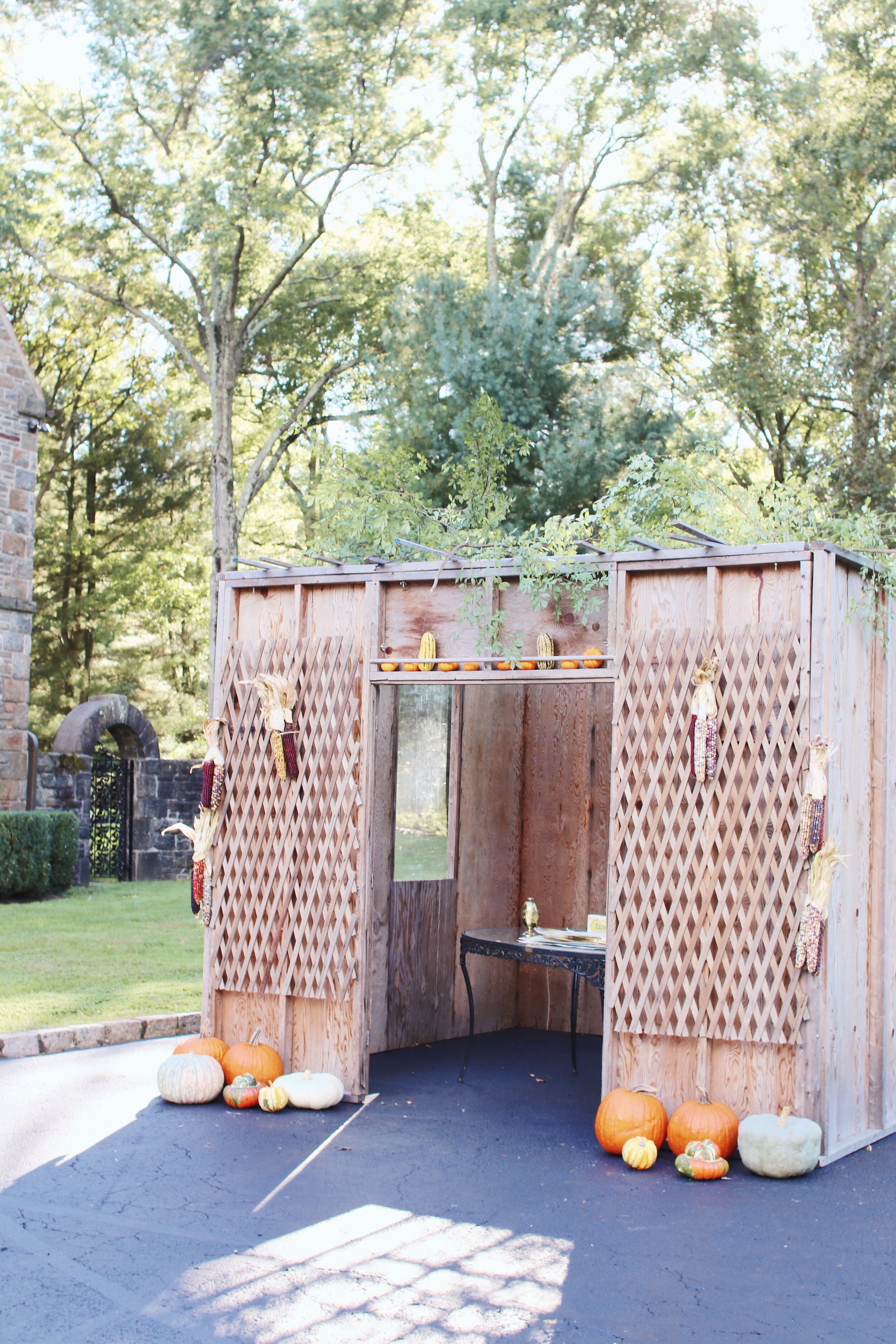
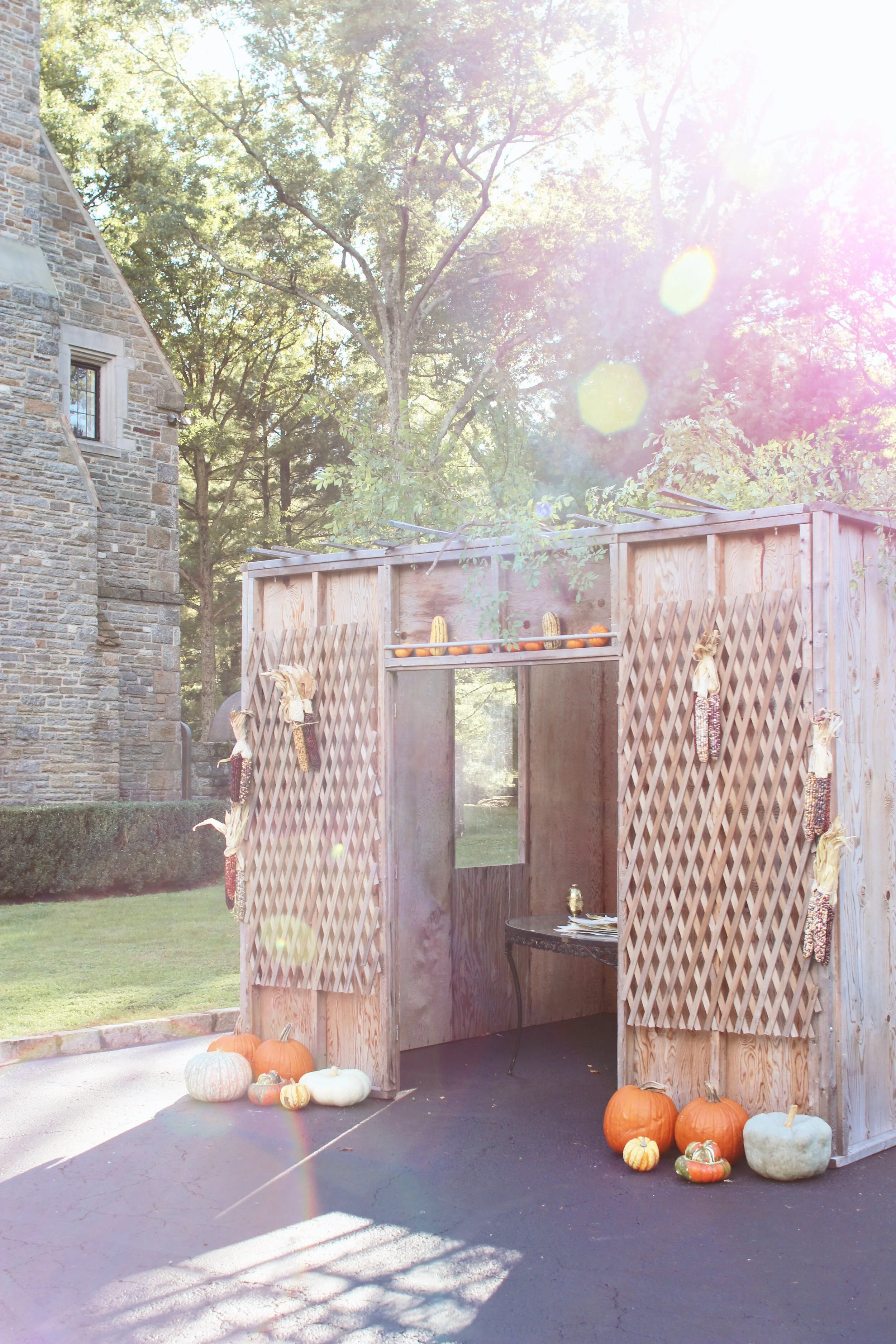
More than a memorial, it stood as sheer fact: Our Zeida, a carpenter by trade, had painstakingly crafted our family’s wooden sukkah by hand over forty years prior. It’s a genuinely beautiful structure—tall wooden panels, cut with wide windows and inlaid with latticework—but the real genius is in the way it fits together: so precisely that we can rebuild it each year from memory alone.
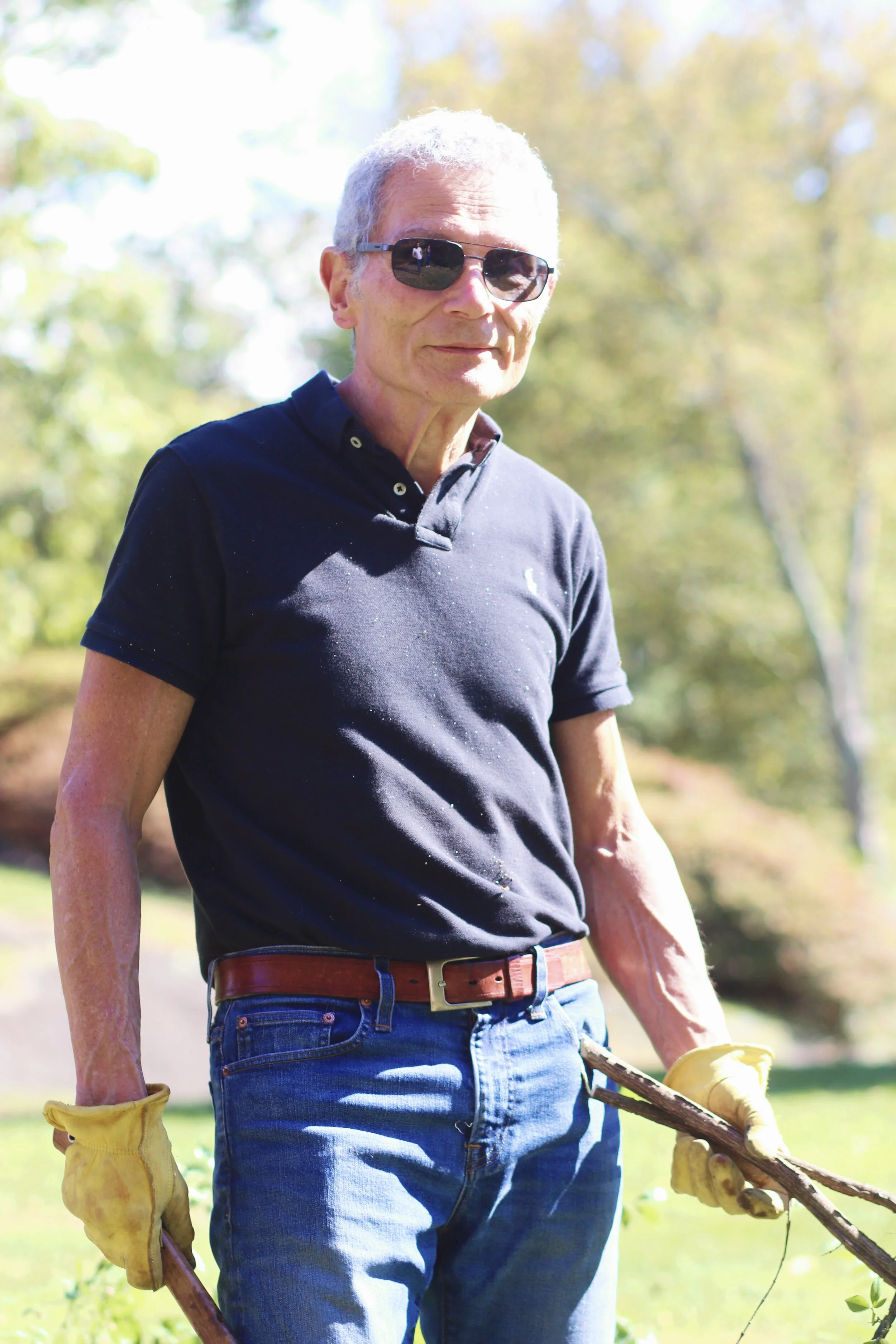
Over the years, building that sukkah became our family’s single most beloved tradition, drawing us all back together each autumn. Siblings find their way here from Vermont, D.C., and London—planes, trains, packed cars, whatever it takes—and my dad has toddler-size, monogrammed leather work gloves waiting for the grandchildren, who now number twelve. (He also goes to great lengths to track down the perfect etrog and lulav—a fragrant fruit and bundle of symbolic branches that we’ll later wave in all directions as part of the holiday’s harvest rituals.) Friends who stop by—because we treat sukkah-building like a party—often marvel as we retrieve the towering wooden panels from their offseason slumber in the garage.
“Wait, your grandfather made those?” they ask.
And I explain.
I start with the sukkah, of course, but I usually zoom out from there. I tell them about my grandfather, Yaakov, my father’s father, whose name my eldest son now carries. How he was a gifted carpenter, and how he met and married my grandmother, a seamstress. I talk about their decision to raise my dad to speak only Yiddish—no English. How “home” was a crumbling tenement in the Bronx that had no business still standing. How they often had little to eat, yet unfailingly gave their meager savings to tzedakah (charity). How they lived with deep faith and strict observance, but outside the bounds of any formal community, believing that Judaism was an individual relationship and a daily choice to do good.
I trace their story all the way back to the early days of a kibbutz they helped found, young idealists shaping a new world. I tell them how, even when dementia stole my Zeida’s memory, he never forgot how to build.
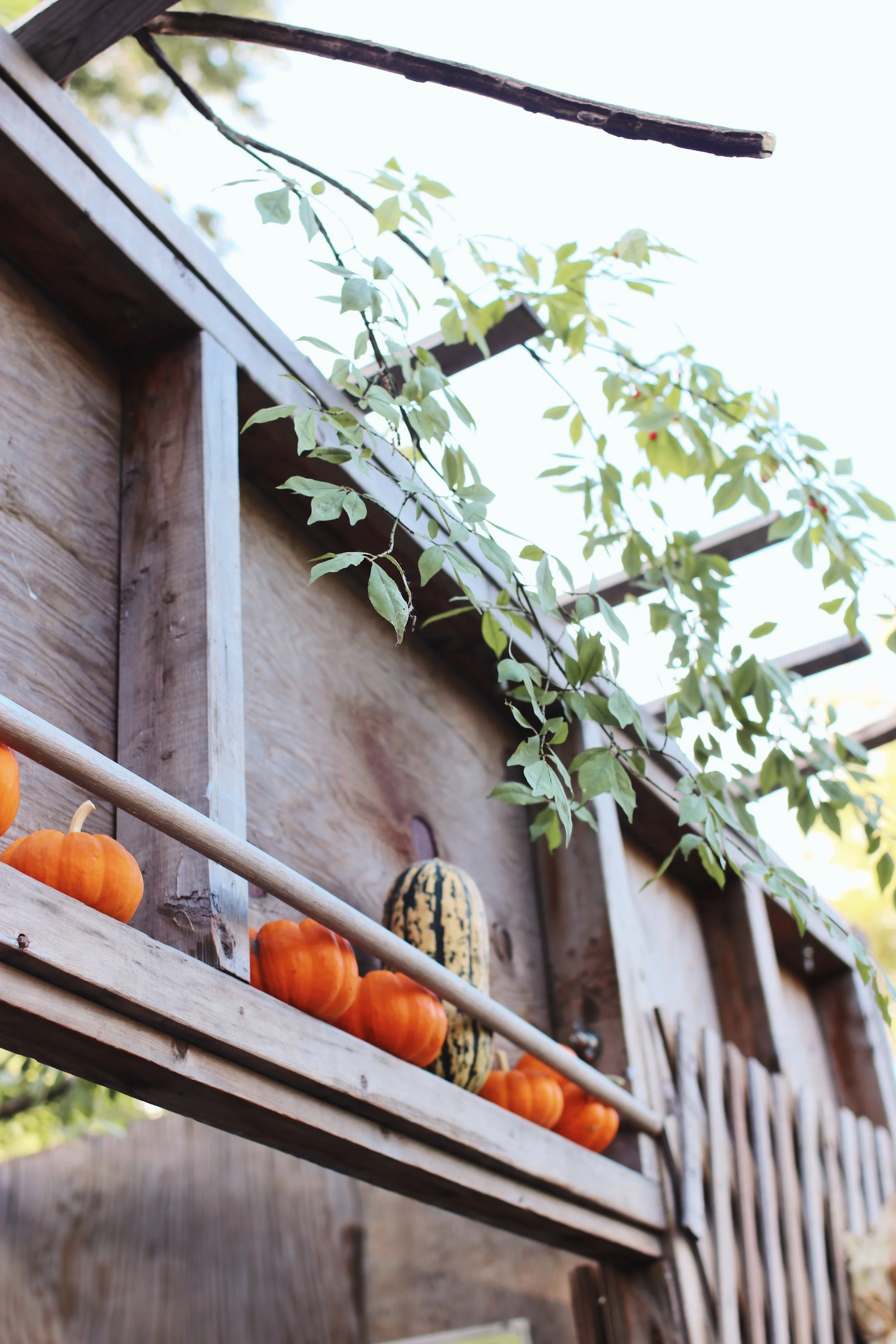
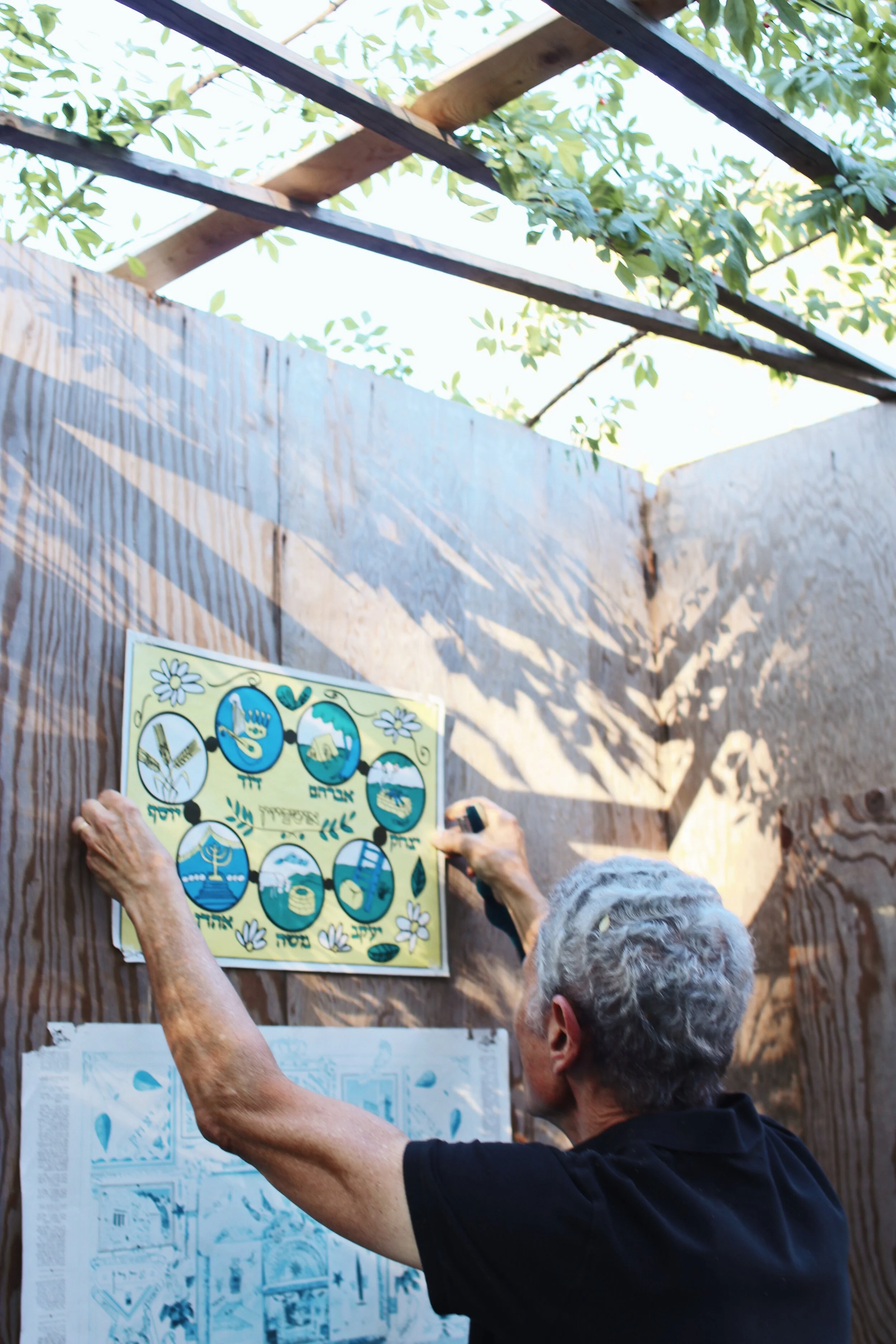
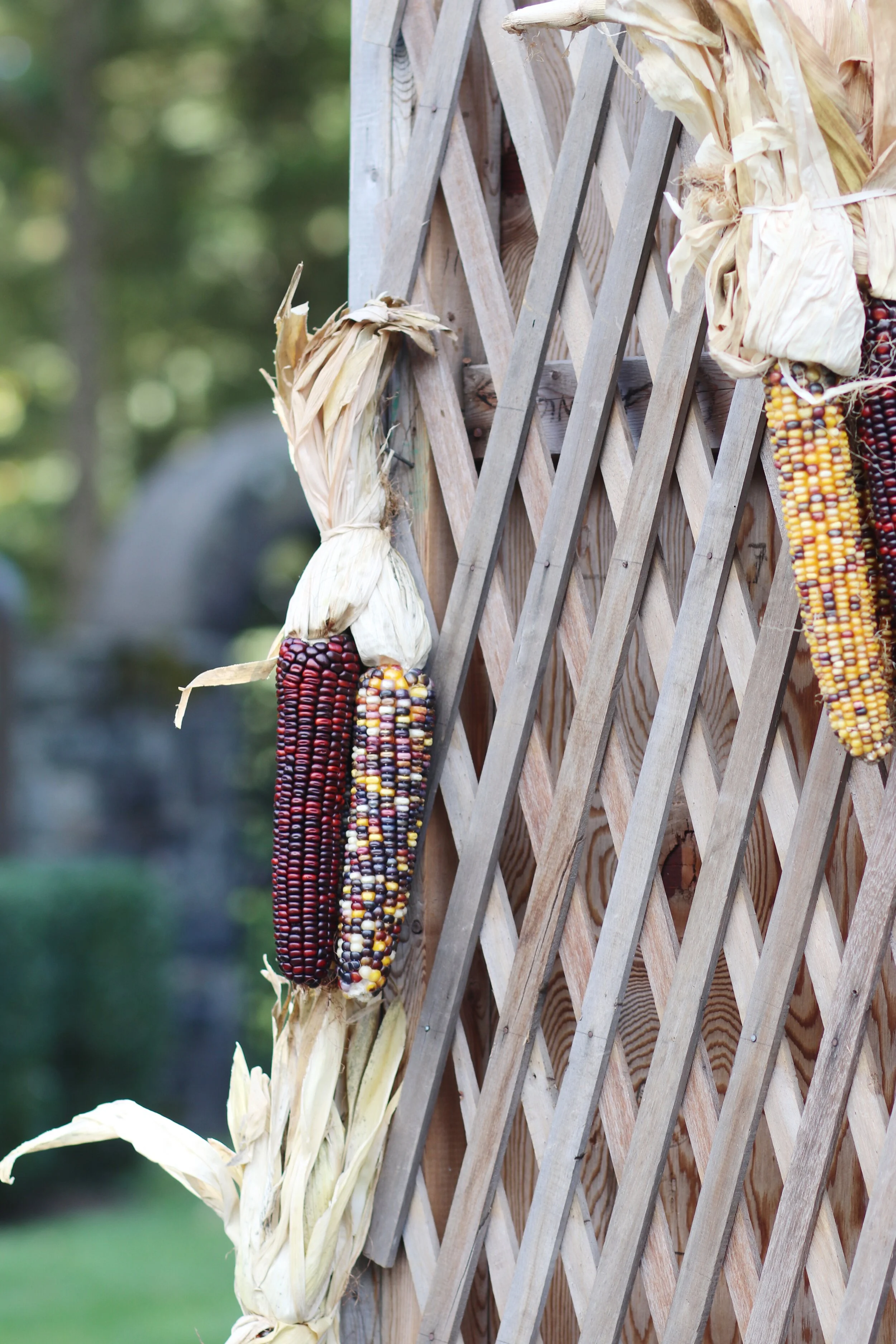
Our sukkah is simple, skeletal, and unadorned, at least until we top it with leafy branches and ornamental corn. Still, it’s proven surprisingly sturdy over the years. It’s weathered rainstorms, high winds, even the occasional hurricane. We don’t panic when the forecast turns stormy; we know it’ll hold.
But Zeida’s sukkah, while beautifully made, does not endure because it’s perfect or indestructible. There’s no divine intervention keeping its walls in place, either (though that’s certainly what I believed growing up). He didn’t build something immaculate. He built something worth returning to.
The real miracle is this: We keep coming back. Year after year, we show up to raise it again—panel by panel, piece by piece, together. And that, to me, is what Sukkot is ultimately about: realizing our agency and becoming the architects of our own joy. By design, it’s a happy holiday, known in Jewish tradition as Z’man Simchateinu, “the time of our joy.” It’s commonly understood as a harvest festival, but it also commemorates the resilience of our ancestors, who, after the Exodus, spent forty years wandering the desert, exposed and uncertain. We’re commanded to leave our sturdy, cozy, Wi-Fi–connected homes and step into fragile huts called sukkot, modeled after the makeshift shelters of those years.
The Torah teaches that in their most vulnerable moments, the Israelites were surrounded by G-d’s presence—the Ananei HaKavod, or “Clouds of Glory.” Even when they had no real sense of what came next, they were sustained . . . and, astonishingly, they rejoiced. But those clouds didn’t eliminate their uncertainty or the general harshness of desert life. They just offered a helpful presence, a simple reminder that even in transience, there could be meaning and joy.
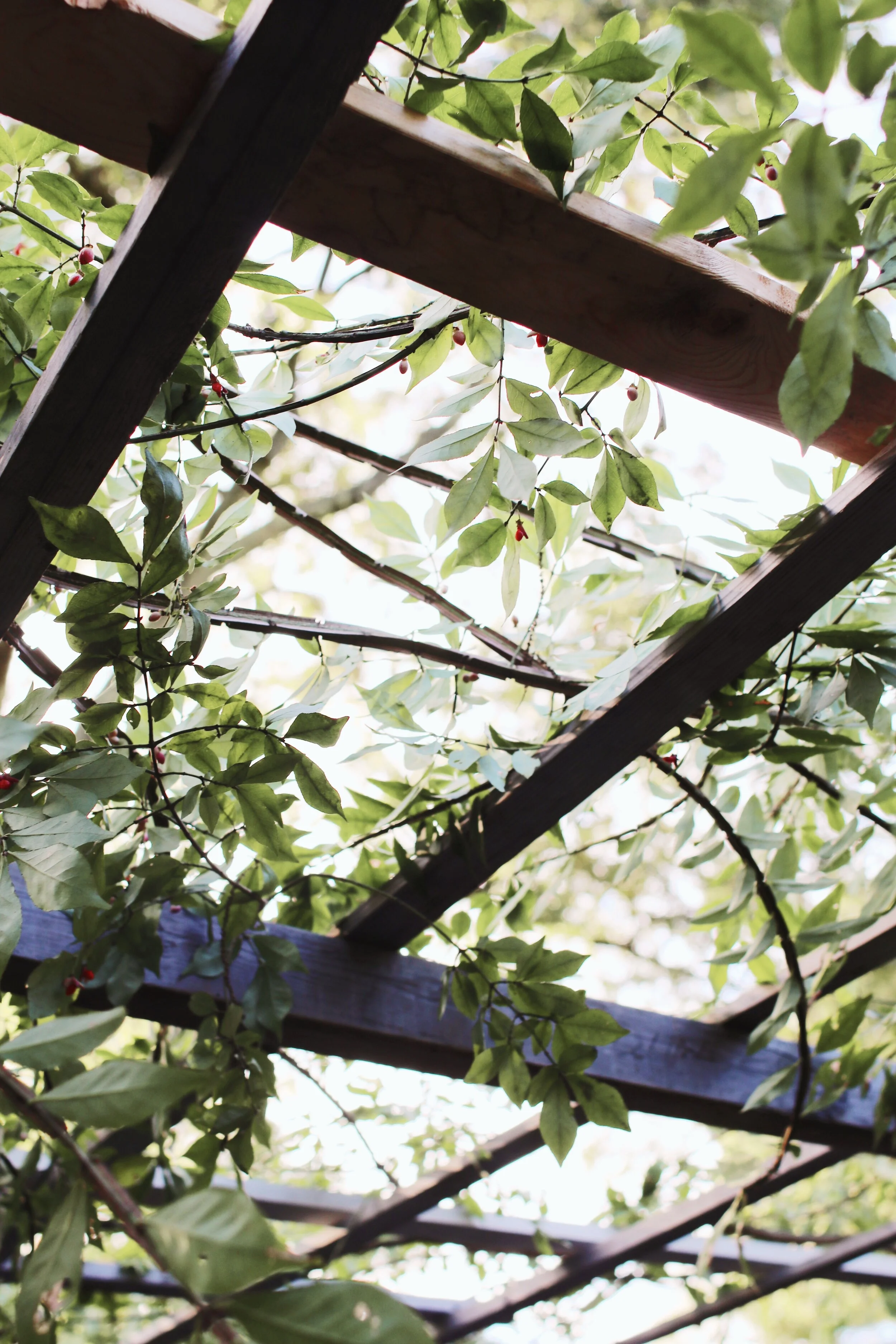
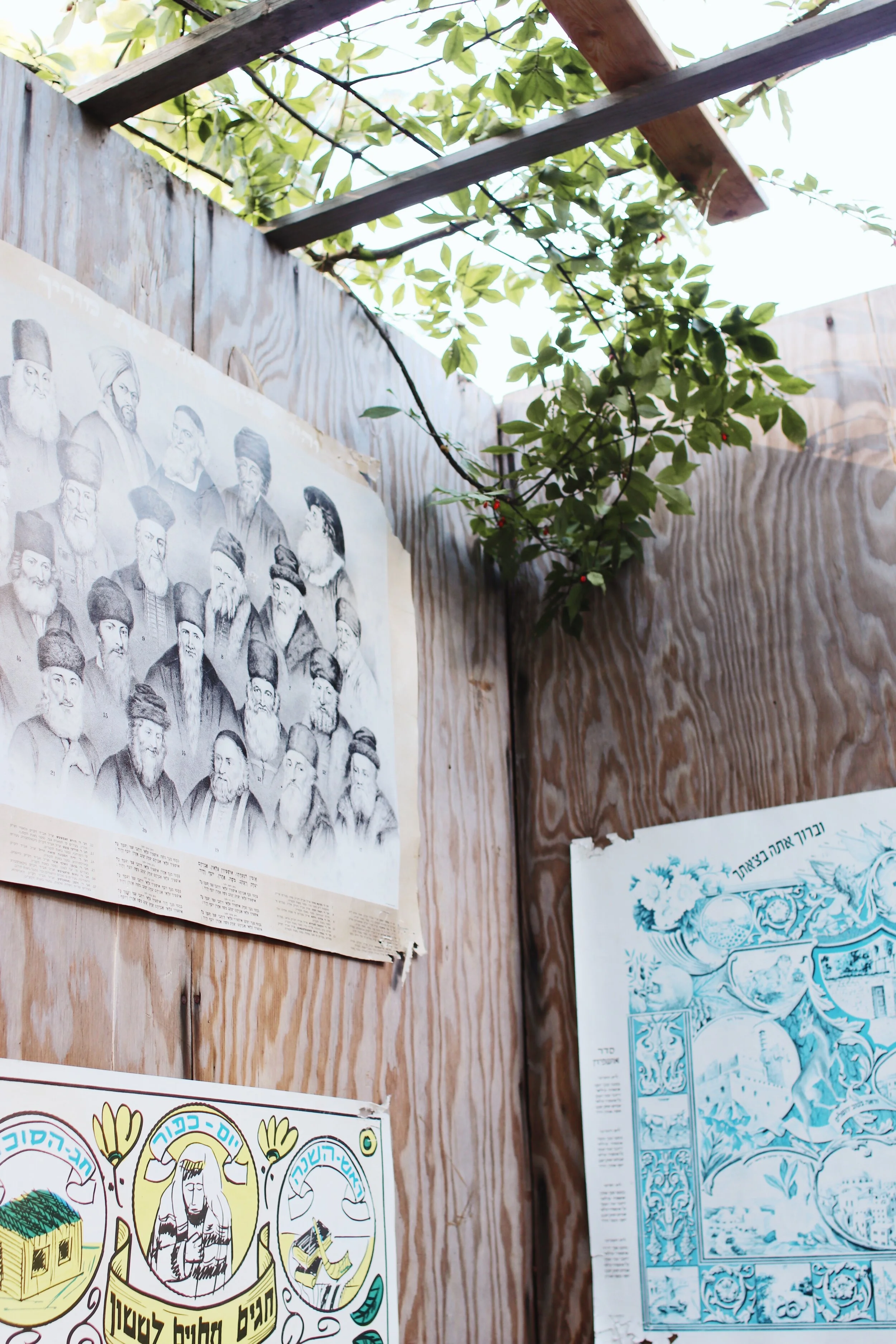
The holiday invites us to find that meaning—to sit in something wildly imperfect, even a little uncomfortable, and flat out delight in it. According to Jewish law, a sukkah needs just two-and-a-half walls, it can’t be built beneath a tree or another shelter, and the roof must be made of natural branches or slats, spaced wide enough to let in rain and starlight. In other words, you are commanded to ignore the weather report, step outside on a blustery October evening, sit inside something drafty, leaky, partial . . . and still feel joy.
Those good feelings aren’t handed to us. We’re called on to build them ourselves. My Zeida understood this, and with his hands he conjured up a sukkah that continues to gather us each year.